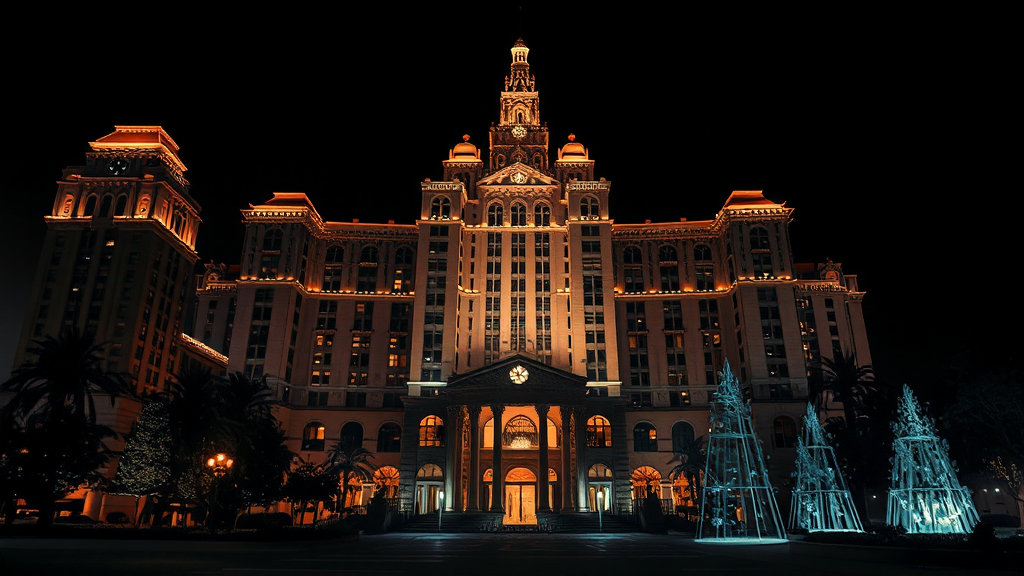
Exploring the Timeless Charm of British Hospitality and Style
British hospitality has long been celebrated for its elegance, warmth, and attention to detail. From the rolling hills of the countryside to the vibrant streets of London, the United Kingdom offers a rich tapestry of experiences that blend tradition with modern comfort. Whether you are planning a weekend getaway, a business trip, or a grand celebration, the allure of well-appointed accommodations and exceptional service remains unmatched. In this article, we will delve into the essence of British hospitality, explore the elements that make it unique, and offer practical advice for travelers seeking an unforgettable stay.
The Evolution of British Hospitality
The concept of hospitality in Britain has deep roots, dating back centuries to coaching inns and grand manor houses that welcomed weary travelers. Over time, this tradition evolved into a sophisticated industry that prioritizes guest comfort and personalized service. Today, British hotels are known for their blend of historic architecture and contemporary amenities. Many establishments have preserved original features such as fireplaces, oak paneling, and sweeping staircases, while integrating modern conveniences like high-speed Wi-Fi, spa facilities, and gourmet dining. This balance between old-world charm and modern luxury is a hallmark of the best British hotels, creating an atmosphere that feels both timeless and fresh.
Travelers often seek out properties that offer a sense of place, where the local culture and history are woven into the guest experience. For instance, a hotel in the Cotswolds might feature stone walls and roaring fires, while a seaside retreat in Cornwall could emphasize fresh seafood and coastal views. This attention to regional identity ensures that every stay is distinct and memorable. Whether you choose a boutique hotel in a bustling city or a secluded country estate, the commitment to quality and authenticity remains constant.
Key Elements of an Exceptional Hotel Experience
What sets a great hotel apart from a good one? The answer often lies in the details. Exceptional service is paramount; staff who anticipate needs, remember preferences, and offer genuine warmth can transform a simple overnight stay into a cherished memory. Additionally, the physical environment plays a crucial role. Thoughtful design, comfortable bedding, and clean, well-maintained spaces are non-negotiable. Guests also appreciate unique touches such as welcome treats, locally sourced toiletries, and curated guidebooks that highlight hidden gems in the area.
Dining is another critical component. Many of the finest British hotels boast restaurants that have earned accolades for their innovative cuisine. Chefs often collaborate with local farmers, fishermen, and artisans to create menus that celebrate seasonal ingredients. Breakfast, in particular, is a cherished ritual in British hospitality. A full English breakfast, complete with eggs, bacon, sausage, baked beans, and toast, is a hearty start to the day. For those with a lighter appetite, continental options with fresh pastries, fruit, and yogurt are equally delightful. Afternoon tea is another beloved tradition, offering a moment of relaxation with finger sandwiches, scones, and an array of teas.
Wellness and leisure facilities have also become increasingly important. Modern travelers often look for hotels that offer spa treatments, fitness centers, swimming pools, and outdoor activities. Whether it is a yoga session at sunrise, a hike through nearby trails, or a relaxing massage, these amenities enhance the overall experience and promote well-being. Hotels that invest in these areas often see higher guest satisfaction and repeat visits.
Planning Your Perfect British Getaway
When planning a trip to the United Kingdom, consider the season and your personal interests. Spring and summer are ideal for exploring gardens, festivals, and outdoor attractions, while autumn and winter offer cozy escapes with fewer crowds. The location of your hotel can greatly influence your itinerary. City hotels provide easy access to museums, theaters, and shopping, while rural properties offer tranquility and nature. For a truly immersive experience, consider staying in a historic building that has been lovingly restored. Many such hotels are situated in areas of outstanding natural beauty, providing a peaceful retreat from the hustle of daily life.
It is also wise to book directly with the hotel whenever possible. Direct bookings often come with perks such as complimentary upgrades, flexible cancellation policies, and exclusive packages. Additionally, communicating your preferences in advance—such as dietary requirements, room location, or special occasions—allows the staff to tailor your stay. Reading recent reviews can also provide valuable insights into the quality of service and facilities. Look for consistent praise regarding cleanliness, staff friendliness, and food quality.
Another important consideration is transportation. While major cities are well-connected by public transport, rural areas may require a car. Some hotels offer shuttle services or can arrange taxis. If you are driving, check whether the property provides parking, as city center hotels often have limited or paid parking. Planning your route and understanding local traffic patterns can save time and reduce stress.
Embracing Local Culture and Traditions
One of the greatest joys of traveling in Britain is the opportunity to immerse yourself in local culture. Many hotels organize experiences that allow guests to connect with the community. This might include guided walks, cooking classes, whiskey or gin tastings, and visits to nearby landmarks. Engaging with these activities enriches your stay and supports local businesses. For example, a hotel in Scotland might offer a tour of a historic distillery, while a property in Yorkshire could arrange a visit to a working farm.
Festivals and events are another highlight. From the Edinburgh Fringe Festival to the Chelsea Flower Show, there is always something happening. Aligning your visit with a local event can add excitement and provide unique memories. However, it is important to book accommodations well in advance, as popular events can lead to high demand and limited availability.
Language and customs also play a role in the experience. While English is the primary language, regional accents and dialects can vary widely. Politeness and a sense of humor are valued in British culture. A simple “please” and “thank you” go a long way, and don’t be surprised if locals strike up a friendly conversation. Embracing these social norms can make your interactions more enjoyable and authentic.
Why Choose a Reputable Hotel for Your Stay
Selecting the right accommodation is crucial for a successful trip. A reputable hotel ensures safety, comfort, and reliability. Established properties often have rigorous standards for cleanliness, staff training, and customer service. They are also more likely to invest in sustainable practices, such as reducing waste, conserving energy, and sourcing local products. By choosing a well-regarded hotel, you support ethical tourism and contribute to the local economy.
For those seeking a truly memorable experience, consider staying at a property that exemplifies the best of British hospitality. One such option is thebiltmorehotels, which offers a blend of classic elegance and modern amenities. Their commitment to guest satisfaction and attention to detail make them a standout choice for travelers who appreciate quality. Whether you are visiting for business or pleasure, their team ensures a seamless and enjoyable stay. From the moment you arrive, you are greeted with warmth and professionalism, setting the tone for a remarkable visit.
In addition, many reputable hotels offer loyalty programs that reward frequent guests with points, upgrades, and exclusive access. These programs can enhance your travel experience and provide value over time. If you travel often, it is worth investigating the benefits offered by different hotel groups. Even occasional travelers can take advantage of special packages that include dining credits, spa treatments, or tickets to local attractions.
FAQs
What is the best time of year to visit the United Kingdom?
The best time to visit depends on your preferences. Spring (March to May) and summer (June to August) offer mild weather and long daylight hours, perfect for sightseeing and outdoor activities. Autumn (September to November) brings beautiful foliage and fewer tourists, while winter (December to February) is ideal for cozy getaways and festive markets. Each season has its own charm, so consider what you want to experience.
How can I find a hotel that offers authentic British experiences?
Look for hotels that highlight local culture in their amenities and services. Read reviews that mention unique touches like locally sourced food, guided tours, or historical architecture. Independent boutique hotels often provide a more authentic experience than large chains. Additionally, check if the hotel partners with local artisans or offers experiences that showcase regional traditions.
What should I pack for a stay at a traditional British hotel?
Pack layers, as British weather can be unpredictable. A waterproof jacket, comfortable walking shoes, and an umbrella are essentials. For formal dining or evening events, bring smart casual attire. Many hotels have dress codes for their restaurants, so it is best to check in advance. Also, consider bringing a small gift for the staff if you wish to show appreciation, though this is not expected.
Are British hotels generally pet-friendly?
Many British hotels welcome pets, but policies vary. Some properties allow dogs in specific rooms or charge an additional fee. It is important to confirm the pet policy when booking. Pet-friendly hotels often provide amenities such as beds, bowls, and treats. Always keep your pet on a leash in public areas and clean up after them to ensure a pleasant stay for all guests.
What is afternoon tea, and where can I enjoy it?
Afternoon tea is a traditional British meal consisting of tea, finger sandwiches, scones with clotted cream and jam, and an assortment of cakes and pastries. It is typically served between 3:30 PM and 5:00 PM. Many hotels offer afternoon tea as a special experience, often in elegant settings like lounges or gardens. It is a wonderful way to relax and indulge in British culinary tradition.