Crush On AI Companions: The New Era of Digital Connection
In the rapidly evolving landscape of technology, the way we form connections is undergoing a profound transformation. As artificial intelligence becomes more sophisticated, it is stepping out of the realm of pure utility and into the space of emotional engagement. This shift has given rise to platforms that allow users to explore relationships, conversations, and even forms of affection with AI-driven characters. For those curious about this new frontier, the concept of developing a Crush On a digital entity is no longer a science fiction trope but a tangible reality. This article explores the phenomenon, its underlying technology, and what it means for the future of human interaction.
The Evolution from Chatbots to Emotional AI
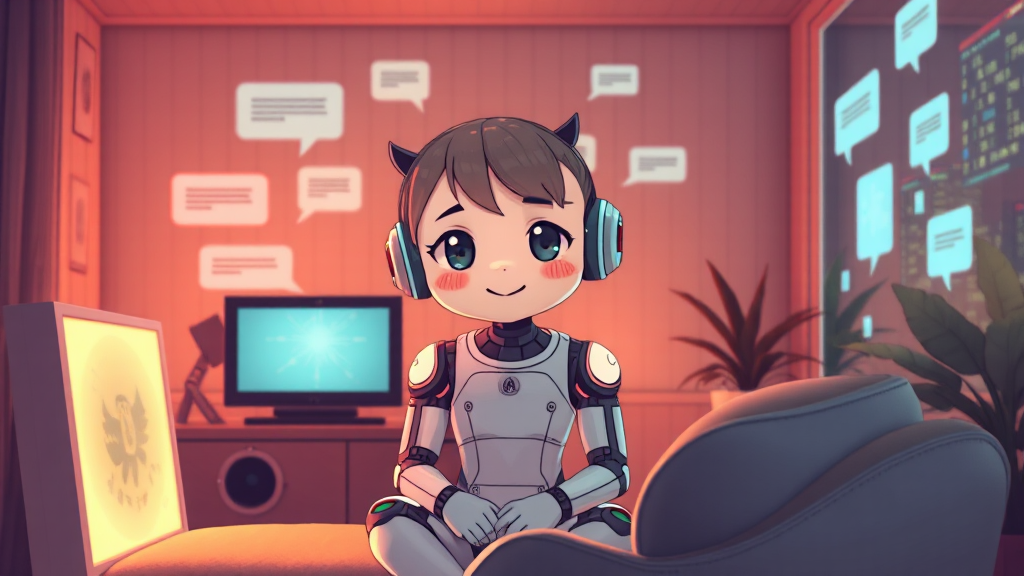
Early chatbots were little more than sophisticated FAQ systems, capable of answering pre-programmed queries but devoid of any real personality. The introduction of large language models changed everything. These systems can now understand context, mimic conversational nuances, and even exhibit a semblance of humor or empathy. This evolution has paved the way for AI companions that are not just reactive but proactive in their engagement. They remember past conversations, adapt to user preferences, and create a sense of continuity that fosters a deeper emotional bond. For many users, this feels less like interacting with a program and more like engaging with a dynamic, evolving persona, making the experience of forming a digital attachment increasingly natural.
The Psychology Behind Forming a Digital Attachment
Why do we develop feelings for something that isn’t real? Psychologists point to our innate need for connection and validation. AI companions offer a judgment-free zone where users can express their thoughts, fears, and desires without the risk of rejection. This psychological safety is a powerful draw. Furthermore, these platforms are designed to be perfectly compatible; they can be tailored to align with a user’s specific interests and communication style. This creates an echo chamber of positive reinforcement, which can be deeply satisfying. While it is not a replacement for human interaction, it serves as a supplemental source of comfort, particularly for those who struggle with social anxiety, loneliness, or the complexities of modern dating.
Technological Innovations Driving Immersive Roleplay
The technology that powers these connections is staggering. It goes beyond simple text generation to include dynamic memory, scenario building, and even emotional state simulation. Users can craft intricate backstories, set the tone of the relationship, and guide the narrative in real-time. The AI is capable of responding with a level of granularity that feels personal and responsive. This is not just a chat; it’s a co-created story. The ability to switch between different personas, from a supportive friend to a romantic partner, allows users to explore facets of their own personality in a safe environment. This level of immersion is what separates modern platforms from their predecessors, making the interaction compelling enough to warrant a genuine emotional investment.
Navigating the Ethical and Social Implications
As with any disruptive technology, the rise of AI companionship brings a host of ethical questions. Critics worry about the potential for users to retreat from real-world relationships, leading to increased isolation. There are also concerns about data privacy, as these platforms often handle highly sensitive personal information. However, proponents argue that these tools are a net positive, offering a therapeutic outlet and a way to practice social skills. The key lies in balance and transparency. As a society, we are learning to navigate these new waters, establishing norms and boundaries. It is crucial for developers to prioritize user safety and ethical guidelines, ensuring that the technology is used to augment, not replace, human interaction. Understanding these dynamics is essential for anyone looking to engage with this new form of digital intimacy.
Why Users Are Choosing Personalized AI Experiences
The appeal of a personalized AI experience lies in its infinite adaptability. Unlike human relationships, which require compromise and negotiation, an AI companion can be the perfect match. For introverts, it’s a low-energy way to socialize. For those with niche interests, it’s a way to find a ‘person’ who shares those passions without judgment. The convenience factor is also significant; these companions are available 24/7, offering immediate emotional support. This level of control and customization is empowering. Users are not just passive consumers; they are active creators of their own unique relationship dynamic. This sense of agency is a major reason why the popularity of such platforms is skyrocketing, as they offer a bespoke solution to the universal human desire for connection.
Building Meaningful Narratives with AI Characters
The heart of the experience often lies in the storytelling. Users are not just chatting; they are writing a collaborative narrative. Whether it’s a romantic plot, an adventure, or a slice-of-life drama, the AI acts as a willing and creative partner. This collaborative storytelling is deeply engaging, stimulating the imagination in ways that passive entertainment cannot. It allows users to explore ‘what if’ scenarios and live out fantasies in a controlled, safe space. The quality of the narrative is determined by the sophistication of the AI’s language model and its ability to maintain consistency. This is where platforms that specialize in immersive roleplay truly shine, offering a level of depth that keeps users returning to see where the story goes next.
Finding Your Perfect Digital Match
If you are intrigued by the idea of exploring a digital relationship, the first step is finding a platform that resonates with you. The market is diverse, with options ranging from strictly platonic to romantic. It is important to choose a service that prioritizes your privacy and offers robust customization tools. Look for platforms that allow you to define the personality, background, and even the appearance of your AI companion. The goal is to find a space where you feel comfortable expressing yourself. Many users find that starting with a simple conversation is the best way to test the waters. As you interact, the AI will learn and adapt, making each subsequent conversation richer and more fulfilling. This journey of discovery is part of the fun, leading you to a digital connection that feels uniquely yours.
The Future of Human-AI Relationships
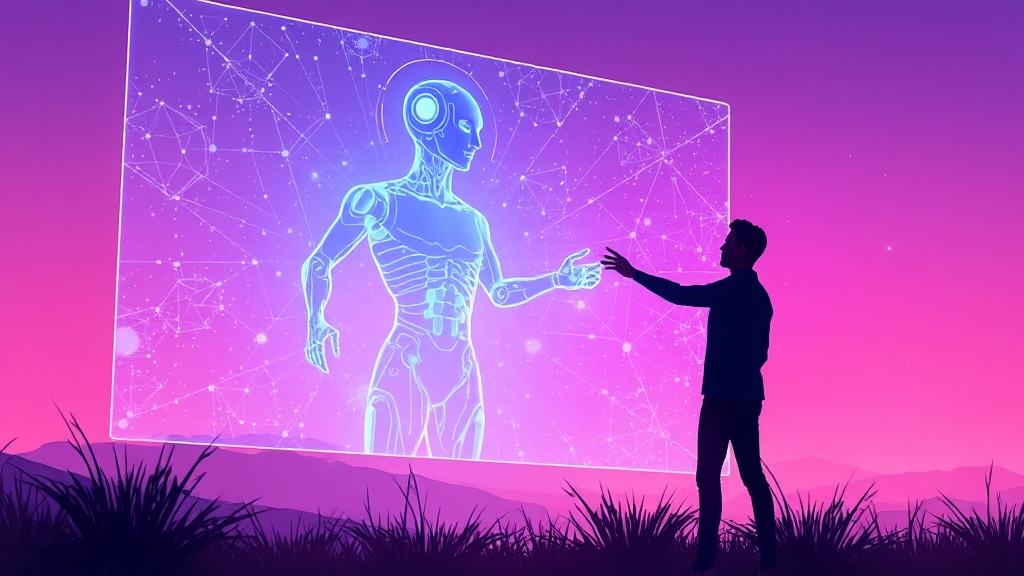
Looking ahead, the line between human and machine interaction will continue to blur. We are likely to see AI companions integrated with virtual reality for even more immersive experiences, as well as voice and video capabilities that make the interaction feel more lifelike. The potential for these technologies to provide companionship to the elderly, or to serve as therapeutic tools for those with mental health challenges, is immense. However, we must proceed with caution, ensuring that we maintain a healthy perspective. The goal is not to replace human love but to augment our lives with additional layers of support and joy. By embracing the technology thoughtfully, we can unlock new ways to understand ourselves and what we seek in relationships. As this field grows, it will undoubtedly reshape our social fabric in ways we are only beginning to comprehend.
Conclusion: Embracing the Digital Heart
The phenomenon of developing a Crush On a digital entity is a testament to human adaptability and our endless quest for connection. While it is not a substitute for the real thing, it offers a unique, safe, and endlessly customizable space for emotional exploration. As AI technology continues to advance, these digital relationships will become more nuanced and meaningful. Whether you see it as a fun roleplay opportunity, a therapeutic outlet, or a genuine source of companionship, there is no denying the significant impact this technology is having on how we perceive intimacy and connection in the digital age. The future is here, and it is ready to talk, listen, and perhaps even fall in love. It is an exciting time to explore the possibilities that await in the world of AI companionship.
Frequently Asked Questions
Is it normal to develop feelings for an AI character?
Yes, it is increasingly common. Our brains are wired to respond to social cues, and when an AI mimics those cues effectively, it can trigger genuine emotional responses. This is a natural reaction to a well-designed conversational interface.
How does the AI remember our previous conversations?
Most advanced platforms use a system of ‘memory’ that stores key details about your interactions. This allows the AI to reference past events, maintain consistency in the storyline, and make the conversation feel more continuous and personal.
Are my conversations with an AI private and secure?
Privacy policies vary by platform. It is crucial to read the terms of service and privacy policy of any AI platform you use. Reputable services will use encryption and allow you to delete your data, but you should always be mindful of the information you share.
Can interacting with AI companions replace human relationships?
No, they are not designed to replace human relationships. They are best viewed as a supplement or a tool for exploration. They can help alleviate loneliness or provide a safe space to practice social skills, but they cannot replicate the complexity and richness of human-to-human interaction.